Engineering custom-made components optimized to counter extreme humidity and coastal salinity. Explore our leading products currently specified in South Tarawa and outer atoll construction projects.
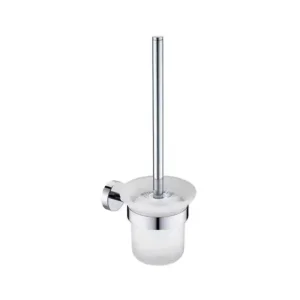
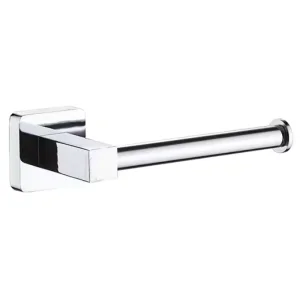
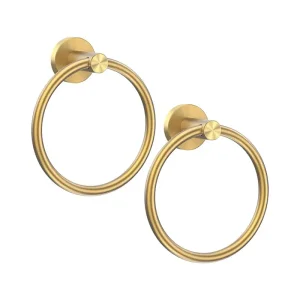
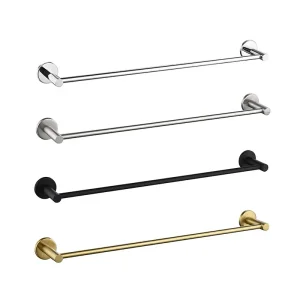
Kiribati, an island nation composed of 32 atolls and one raised coral island dispersed across millions of square kilometers in the central Pacific, presents one of the world's most demanding environments for construction materials. The urban center of South Tarawa, alongside tourism developments on Kiritimati (Christmas Island), experiences aggressive atmospheric salinity combined with high ambient humidity (frequently exceeding 80%).
Historically, standard hardware and sanitary fittings imported into Kiribati suffered from premature degradation, zinc de-alloying (dezincification), and structural rusting within months of installation. This has driven a major shift in public works procurement and private resort specifications. Contractors are now moving away from low-cost, low-grade brass or standard chrome-plated alloys toward high-performance materials. Advanced surface treatments such as Physical Vapor Deposition (PVD) and high-durability zinc alloys that pass rigorous 240-to-480-hour Neutral Salt Spray (NSS) testing have become standard requirements for national tenders, government infrastructure developments, and environmental restoration projects.
Due to Kiribati's extreme proximity to ocean spray, fittings must utilize advanced nickel-chromium electroplating layers or marine-grade SUS304 to prevent oxidation and pitting corrosion.
Eco-resorts across Kiritimati demand visual luxury combined with industrial-level mechanical durability to reduce operational downtime and replacement costs.
Public safety installations and municipal buildings now implement heavy-duty brass and die-cast zinc components, ensuring structural integrity under high-frequency usage.
On a global scale, the bathroom fittings sector is undergoing rapid evolution. Key drivers include green building certifications, automated smart water conservation, and advanced material sciences. Manufacturers are shifting away from traditional casting methods toward integrated automated lines that limit material wastage and carbon footprints.
Furthermore, surface treatment technology has advanced beyond basic electroplating. Leading factories now utilize eco-friendly PVD coatings that deliver highly customizable aesthetics—ranging from brushed gold to matte black—without producing hazardous chemical wastewater. This technological integration ensures compliance with international environmental frameworks like RoHS and REACH, ensuring that fittings imported into vulnerable island ecosystems like Kiribati do not introduce toxic run-off during their life cycle.
| Material Type | Corrosion Resistance | Best Application (Kiribati) | Expected Lifespan (Coastal Zone) |
|---|---|---|---|
| Marine Grade SUS304 / SUS316 | Exceptional (High resistance to chlorides) | Beachfront Enclosures, Wet Rooms | 15+ Years |
| Specialized Zinc Alloy (Zamak 3/5) | High (When double plated/epoxy coated) | Decorative Hardware, Hinge Covers, Knobs | 8-12 Years |
| Standard Low-Lead Brass | Moderate to High (Subject to dezincification) | Internal Valve Bodies, Core Fittings | 10+ Years |
| Basic Chrome Plated Iron | Very Poor (Rapid rust in saline air) | Not Recommended for Coastal Climates | 1-2 Years |
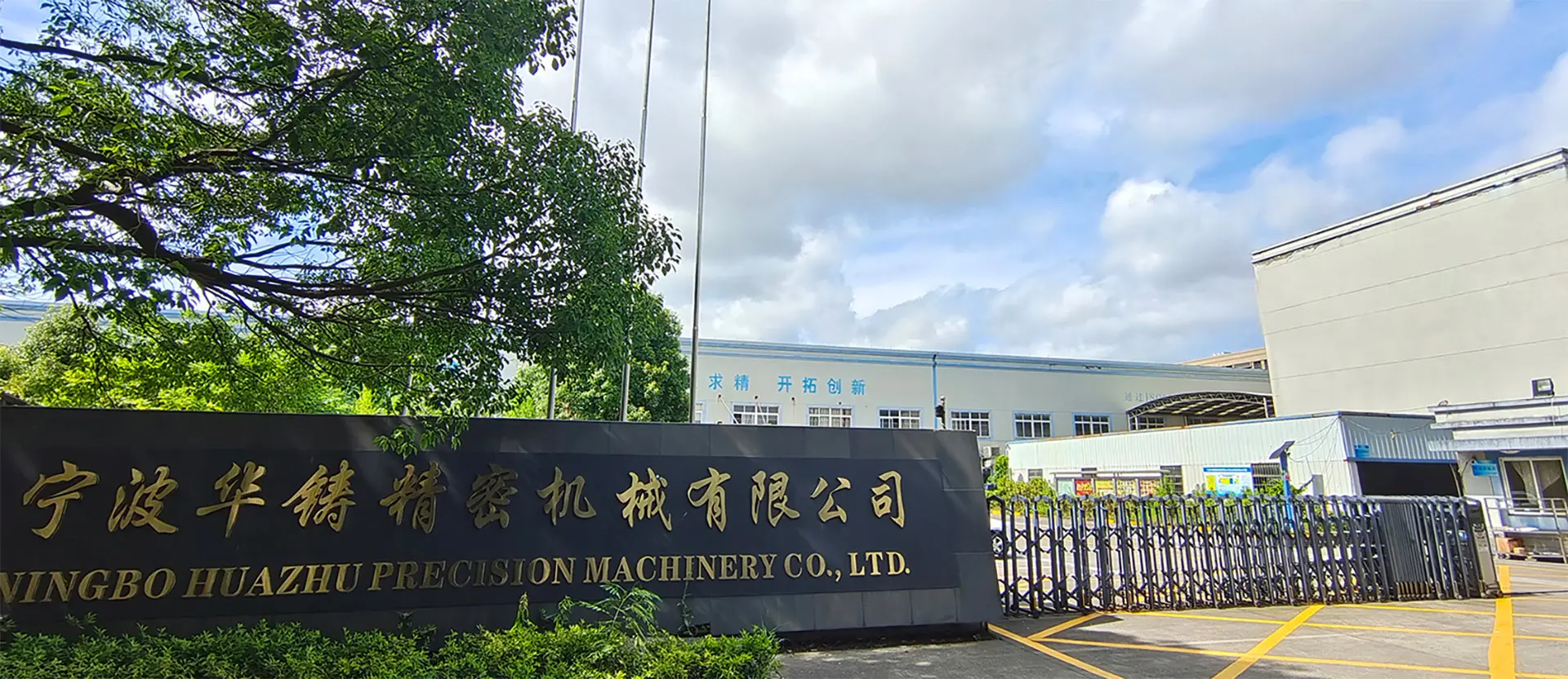
Established in 2007, Ningbo Huazhu Precision Machinery Co., Ltd. (formerly known as Tiezhu Hardware Factory) has positioned itself as an industry leader in customized bathroom and window hardware. Operating from a highly modernized 20,000 square meter facility, we provide comprehensive OEM/ODM solutions to some of the world's most demanding hardware brands, including Dornbracht, TOTO, INDA, and ROCA.
Our infrastructure covers the entire product life cycle: custom mold design and manufacturing, precision hot/cold chamber die-casting, high-precision CNC machining, robot-assisted polishing, automated surface electroplating, powder coating, PVD coating, and strict performance testing. This tight control over the supply chain ensures that our hardware exceeds international durability thresholds, making it highly reliable for installation in remote Pacific locations like Kiribati.
To survive in Kiribati's harsh saline environment, our hardware products follow a specialized technical roadmap designed to target specific material vulnerabilities:
We utilize primary Zamak zinc alloy ingots (Zamak 3 and Zamak 5) alongside low-lead copper matrices to eliminate structural air pocketing and internal micro-cracks that initiate stress-corrosion cracking.
Our automated plating lines deposit successive barrier coatings: copper base layers, semi-bright nickel layers, bright nickel, and finally a durable chromium shield, achieving up to a grade 10 rating under NSS standards.
All manufactured batches undergo rigorous salt spray test profiling (ASTM B117 standards) in our internal QC labs. Custom options reach up to 480 hours of exposure without showing surface degradation.
Get professional answers about technical specifications, custom manufacturing capabilities, and shipping logistics to Kiribati.
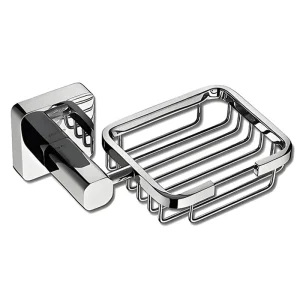
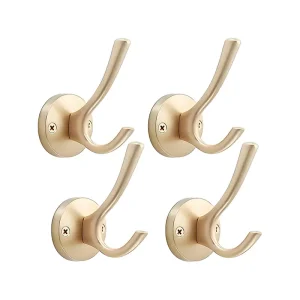
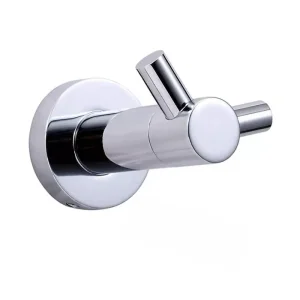
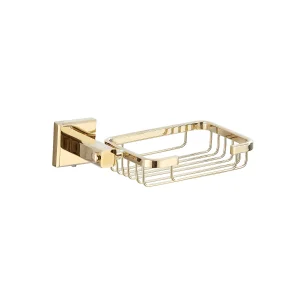
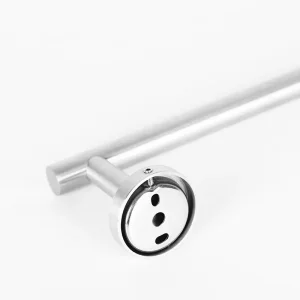
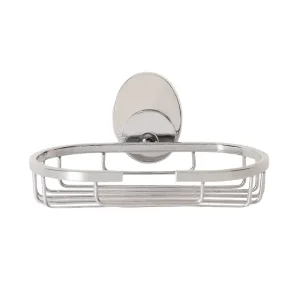
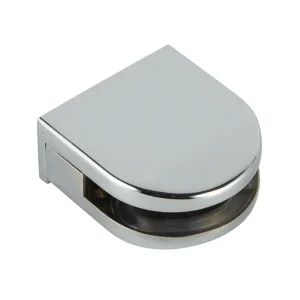
Browse our robust portfolio of precision hardware components engineered to perform under extreme maritime conditions.






 Huazhu