What is a Water Purification Tap and How Does It Work?

Time:2026-06-30 Author:Charlotte
0%

In recent years, the demand for clean drinking water has significantly risen. The rise in pollution levels and health concerns has prompted many consumers to seek efficient solutions. A Water Purification Tap has emerged as a popular choice for households aiming to ensure the quality of their drinking water. According to a report by the Environmental Protection Agency, nearly 10% of Americans are exposed to unsafe drinking water.

Expert in water treatment, Dr. Michael Green, notes, "A Water Purification Tap not only removes contaminants but also improves taste and odor." This highlights its dual role in safeguarding health and enhancing the drinking experience. Many consumers underestimate the importance of water quality in everyday health.

Although these purification systems are beneficial, they are not a one-size-fits-all solution. Some models may not effectively target specific contaminants. Consumers should be aware of their local water quality and select the right system accordingly. This cautious approach ensures that families truly benefit from their Water Purification Tap investment. There's always a need for better options and ongoing innovation in this important field.
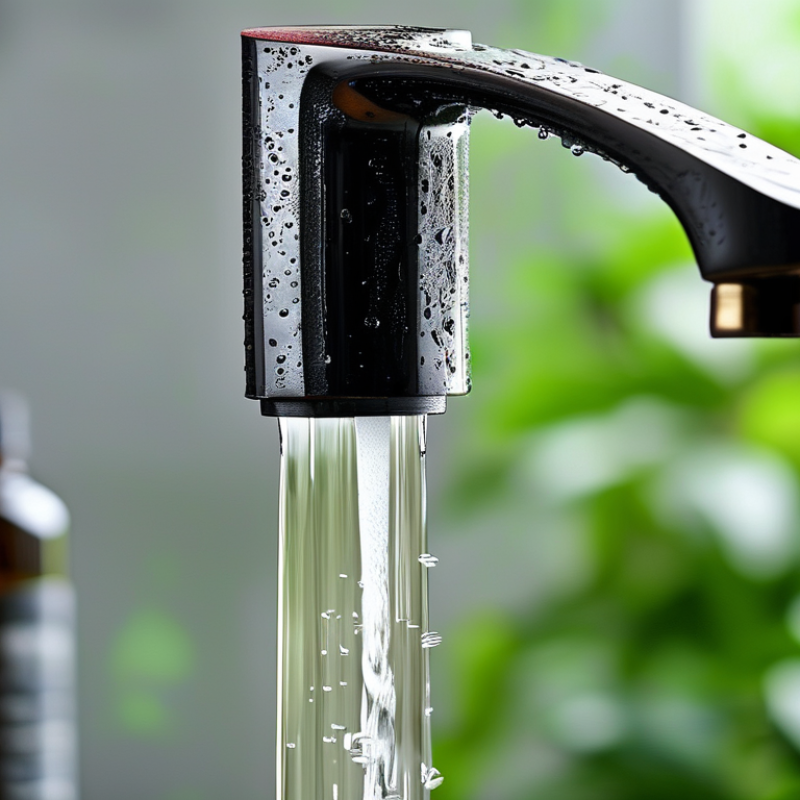
What is a Water Purification Tap and How Does It Work?

What is a Water Purification Tap?

A water purification tap is a convenient device installed in kitchens and offices. It provides clean drinking water on demand. This tap uses several filtration methods to remove contaminants. Common methods include activated carbon filters and reverse osmosis. These technologies can effectively reduce chlorine taste, sediment, and even heavy metals.
Installation is generally straightforward. Users might need to change filters regularly for optimal performance. Depending on the model, it can be complex or simple to set up. Some people find the maintenance challenging, leading to inconsistent water quality. Regular checks are essential to ensure safe consumption.

The appeal of a water purification tap lies in its promise of pure water. Many consumers trust it as a reliable source. However, not all units perform the same way. It’s vital to research specifications and user reviews. Different households have unique needs. An informed choice can lead to better hydration habits.

Key Components of a Water Purification Tap

Water purification taps are essential for ensuring safe drinking water. Understanding their key components can enhance their effectiveness. Filtration systems are at the heart of these taps. They typically include multiple filters, like activated carbon and ceramic elements. These filters capture contaminants and improve taste, making water safer to drink.

Another important component is the UV light feature. This technology serves to eliminate bacteria and viruses. It works by exposing water to ultraviolet rays, which disrupt their DNA. When combined with other filtration methods, it increases the overall quality of water.

Regular maintenance is vital. Filters need changing periodically, and the UV light often requires cleaning. Many users overlook this aspect. Neglecting these tasks can compromise water safety. While modern taps are efficient, they are not infallible. Proper care ensures they function optimally, providing reliable access to clean water.

What is a Water Purification Tap and How Does It Work? - Key Components of a Water Purification Tap

Component Function Material Lifespan
Sediment Filter Removes dirt, sand, and rust particles Polypropylene 6-12 months
Activated Carbon Filter Removes chlorine, odors, and taste issues Activated Carbon 6-12 months
Reverse Osmosis Membrane Removes dissolved solids and contaminants Thin-film composite 2-3 years
Post Carbon Filter Enhances taste and quality of purified water Activated Carbon 6-12 months
UV Lamp Eliminates bacteria and viruses Quartz glass 1 year

How Water Purification Taps Work Mechanism

A water purification tap serves a crucial role in ensuring clean drinking water. It utilizes various filtration mechanisms to remove contaminants. These can include activated carbon filters, reverse osmosis, or UV purification systems. Each method targets specific impurities. For instance, activated carbon can reduce chlorine and heavy metals, while reverse osmosis removes tiny particles.

Understanding how these taps work can enhance their effectiveness. Many systems rely on multiple stages of filtration. Water flows through each stage, progressively decreasing contaminants. Some may even incorporate remineralization stages to improve taste. However, not all systems are foolproof. Installation and maintenance play a vital role in ensuring the tap's performance. Neglecting filters can lead to decreased efficiency or recontamination.

Tips: Regularly replace filters according to manufacturer guidelines. Keep the tap clean to prevent bacterial growth. Consider testing your water quality periodically. This proactive approach ensures your purification system remains effective. Always be aware of any strange tastes or smells in your water, as they may signal filtration issues.

Types of Filtration Systems Used in Water Purification Taps

Water purification taps are gaining traction in households. These taps employ different filtration systems to provide clean drinking water. Understanding these systems helps in choosing the right tap for your home.

Carbon filters are widely used for their effectiveness. They remove unpleasant tastes and odors from water. This type of filter works through adsorption, trapping impurities. However, they may not eliminate all contaminants, like heavy metals. Regular maintenance is essential to keep them efficient.

Tip: Regularly check filter replacement schedules. Neglecting this could affect water quality.


Reverse osmosis systems offer deeper purification. They use a semi-permeable membrane to remove dissolved solids. This process can be beneficial in areas with hard water. Yet, water wastage is a concern, typically discarding three gallons for every gallon purified.

Tip: Monitor your water clarity. If it changes, consider checking your filtration system.


Ceramic filters provide a physical barrier against bacteria and sediments. They are durable but may clog quickly with high sediment levels. In these cases, backwashing helps restore flow.

Choosing a water purification tap involves understanding these systems. Each has pros and cons that should be carefully considered. Be aware of your specific needs and water source.

Benefits of Using a Water Purification Tap for Home Use

Water purification taps have gained popularity in modern homes, offering a reliable solution for clean drinking water. According to a report by the World Health Organization, approximately 2 billion people lack access to safe drinking water. This statistic highlights the importance of effective water purification. Using a water purification tap can reduce contaminants such as chlorine, lead, and bacteria, ensuring the water you consume is safe.

The benefits of installing a water purification tap are significant. A study from the Environmental Protection Agency found that home water purification systems can eliminate up to 99% of harmful pollutants. This gives homeowners peace of mind regarding their family’s health. Additionally, using such taps is more environmentally friendly than bottled water, which generates excessive plastic waste. With advancements in technology, these taps offer ease of use, often with a simple twist. However, it is worth noting that maintenance is crucial. Filters need regular replacement to maintain effectiveness, which can be overlooked by some users.

Cost can also be a concern. The initial investment for a good purification system might seem high. Long-term savings from reduced bottled water purchases, however, can offset these costs. Ensuring the tap is frequently inspected for mineral buildup can prevent issues over time. While convenient, relying solely on these systems without understanding their maintenance needs can lead to less effective purification. It’s essential to balance convenience with knowledge for optimal results.

Benefits of Using a Water Purification Tap for Home Use

FAQS

: What are the key components of a water purification tap?

: The main components include filtration systems, UV light features, and maintenance requirements.

How do filtration systems improve water quality?

Filtration systems capture contaminants and enhance taste, making water safer to drink.

What types of filters are commonly used in these taps?

Common filters include activated carbon, reverse osmosis, and ceramic filters.

What is the function of activated carbon filters?

They remove unpleasant tastes and odors through a process called adsorption.

How does reverse osmosis work for water purification?

It uses a semi-permeable membrane to eliminate dissolved solids, but can waste water.

What maintenance do water purification taps require?

Regular cleaning of UV lights and timely filter changes are essential for safety.

Why is regular maintenance often overlooked?

Many users forget about these tasks, which can lead to compromised water safety.

What is a common issue with ceramic filters?

They can clog quickly in water with high sediment levels and may require backwashing.

How can the effectiveness of carbon filters be affected?

Failure to change them regularly can reduce their ability to purify water.

Why is it important to monitor water clarity?

Changes in clarity may indicate the need for a check on the filtration system.

Conclusion

A Water Purification Tap is an essential home fixture designed to provide clean and safe drinking water. It operates through a series of key components that work together to remove contaminants from tap water. The mechanism typically involves multiple filtration systems, including activated carbon filters, reverse osmosis, and UV light treatment, ensuring effective elimination of impurities and harmful substances.

Using a Water Purification Tap offers numerous benefits for home use, including improved water taste, reduced health risks, and convenience. These taps not only enhance the quality of drinking water but also promote greater sustainability by reducing reliance on bottled water. With the increasing importance of water safety, investing in a Water Purification Tap is a proactive step toward maintaining a healthier lifestyle.

Charlotte

Charlotte

Charlotte is a seasoned marketing professional with a deep understanding of the company's portfolio and a passion for elevating its presence in the market. With a keen eye for detail and a commitment to excellence, she ensures that our professional blog is regularly updated with insightful articles......