Choosing the right Cold And Hot Water Tap is crucial for every homeowner. It affects not only convenience but also aesthetics. A tap is more than just a functional piece; it can enhance your kitchen or bathroom style.
Understanding the features of Cold And Hot Water Taps can be overwhelming. With various styles and technologies available, buyers often feel lost. The choices range from single lever to dual handle systems. You may want a design that integrates smoothly with your decor.
Be mindful of the installation requirements. Some taps need special fittings, and not all are user-friendly. Think about the water pressure in your home. This factor will determine the tap's performance. A mismatch can lead to frustration and additional costs. As you explore options, reflect on your needs and long-term satisfaction.
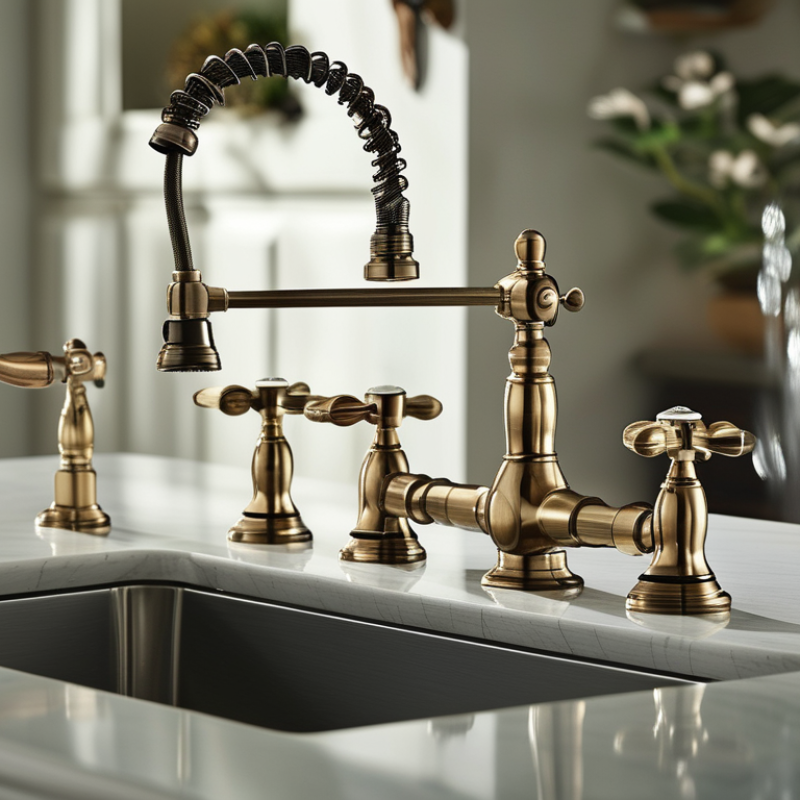
When it comes to understanding cold and hot water taps, clarity is essential. These fixtures are fundamental in our daily lives. They serve the primary function of delivering water at the desired temperature. Often underestimated, their design and operation can significantly impact convenience and functionality.
Hot water taps typically connect to a hot water system. This setup can involve complex mechanisms, which may lead to potential user errors. Proper installation and routine maintenance are crucial. Cold water taps, on the other hand, usually draw directly from the main supply. However, if not maintained, issues like reduced flow or leaks can arise, causing frustration.
It's essential to choose taps wisely. Look for quality materials that ensure durability. Ease of use is also important; ergonomic handles can simplify operation. While many prefer modern designs, there’s charm in traditional styles. Reflect on your preferences. Understand what truly meets your needs.
| Feature | Description | Considerations |
|---|---|---|
| Material | Most taps are made from brass, stainless steel or plastic. | Choose based on durability and resistance to corrosion. |
| Finish | Available in chrome, brushed nickel, and matte black finishes. | Select a finish that complements your home decor. |
| Functionality | Single handle vs. double handle options for controlling water flow and temperature. | Consider ease of use and personal preference. |
| Installation Type | Deck-mounted or wall-mounted installation options. | Ensure compatibility with your sink or countertop setup. |
| Flow Rate | Measured in gallons per minute (GPM). | Select a flow rate that meets your needs and is compliant with regulations. |
| Warranty | Various warranties ranging from 1 to 10 years provided by manufacturers. | Check warranty terms for coverage against defects and damages. |
: They are designed to deliver water at your desired temperature.
Poor installation can cause user errors and affect functionality.
Without maintenance, issues like leaks and reduced flow may occur.
Brass and stainless steel are great for long-term use and resist corrosion.
Well-designed taps with ergonomic handles enhance user experience and control.
An efficient flow rate is crucial for saving water while maintaining pressure.
Understanding your needs helps you choose a tap that works for your daily patterns.
Yes, balancing both can lead to a more satisfying choice for your space.
It can lead to dissatisfaction and potentially wasted investment in your taps.
Aesthetic elements like shapes and finishes can enhance your kitchen or bathroom's appearance.
The article "Cold And Hot Water Tap Essential Guide and Tips for Buyers" provides an in-depth look into the different aspects of cold and hot water taps. It begins with a comprehensive overview of how these taps function, their importance in daily use, and the various types available to meet diverse needs and preferences. The article emphasizes the significance of selecting features that align with both functionality and aesthetic appeal when purchasing a cold and hot water tap.
Furthermore, it offers valuable installation and maintenance tips, ensuring optimal performance over time. Common problems associated with cold and hot water taps are addressed, alongside practical solutions for resolving them. This guide serves as an essential resource for buyers looking to make informed decisions when selecting cold and hot water taps for their homes.

 Huazhu